Dendrology is the branch of botany that studies woody plants, mainly trees and shrubs, and how to tell them apart.
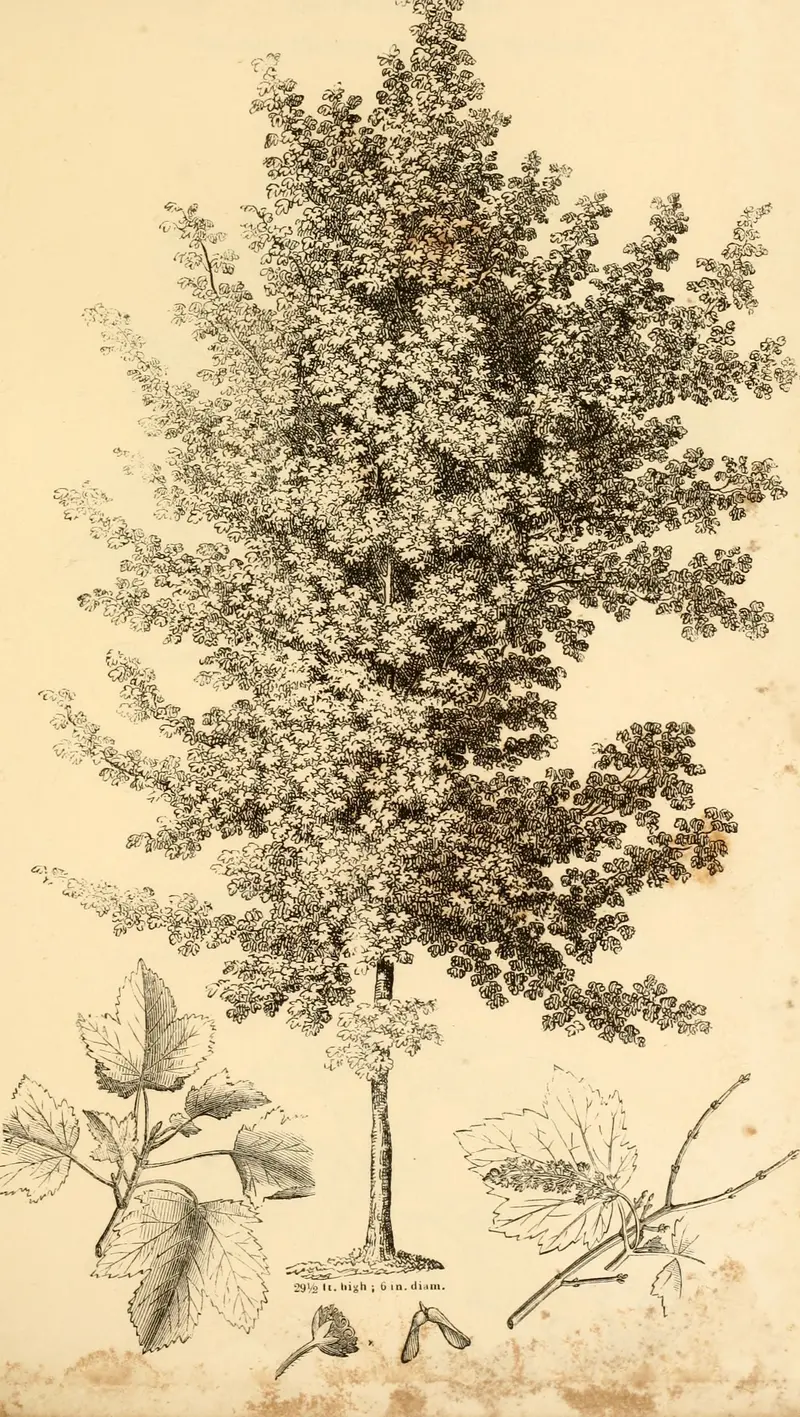
Dendrology
What dendrologists do
Dendrologists describe, name and classify woody plants. They write the keys and field guides used to identify trees, and they study where each species lives and how it grows. The word comes from the Greek for tree, dendron. Foresters, arborists, ecologists and botanical gardens all rely on it.
How trees are named
Every species has a two-part scientific name in Latin form: the genus first, then the species. White oak is Quercus alba, and Quercus is the genus of oaks. Species that share a genus are close relatives. Genera are grouped into families, which is how pines, spruces, firs and larches all end up in the pine family.
Scientific names matter because common names are loose. The word cedar is used for trees in several unrelated groups, and in some places one common name is shared by different trees. A name such as sycamore means a plane tree in North America and a maple in Britain.
Why identification is a skill
Botanists identify a plant by working through features in order, often with a printed key that offers two choices at each step. The chooser on this site follows the same logic. It narrows to a group of trees, and a regional field guide then takes you to the species.
Observing a tree
Learn to look slowly and in a fixed order: the whole tree from a distance, then the trunk and bark, then twigs and buds, then leaves, then flowers and fruit. Note where the tree stands, how big it is and what is growing nearby. Notes or photographs taken in each season build a picture that no single visit can give.
How many trees there are
Botanic Gardens Conservation International's GlobalTreeSearch database lists roughly 60,000 tree species worldwide, and a 2022 study in PNAS put the likely total at about 73,000, including some 9,000 not yet described. Nobody knows all the trees of a region by heart, so start with the commonest groups where you live.
Learning more
Good starting points are the USDA PLANTS Database for plant ranges and descriptions, the Forest Service's Silvics of North America for how each tree lives and grows, and your local extension service or arboretum for regional guides.