Pines are the conifers with needles in bundles, and the fastest to confirm: count the needles in one bundle.
Identifying pine
Scientific name: Pinus
How to recognise it
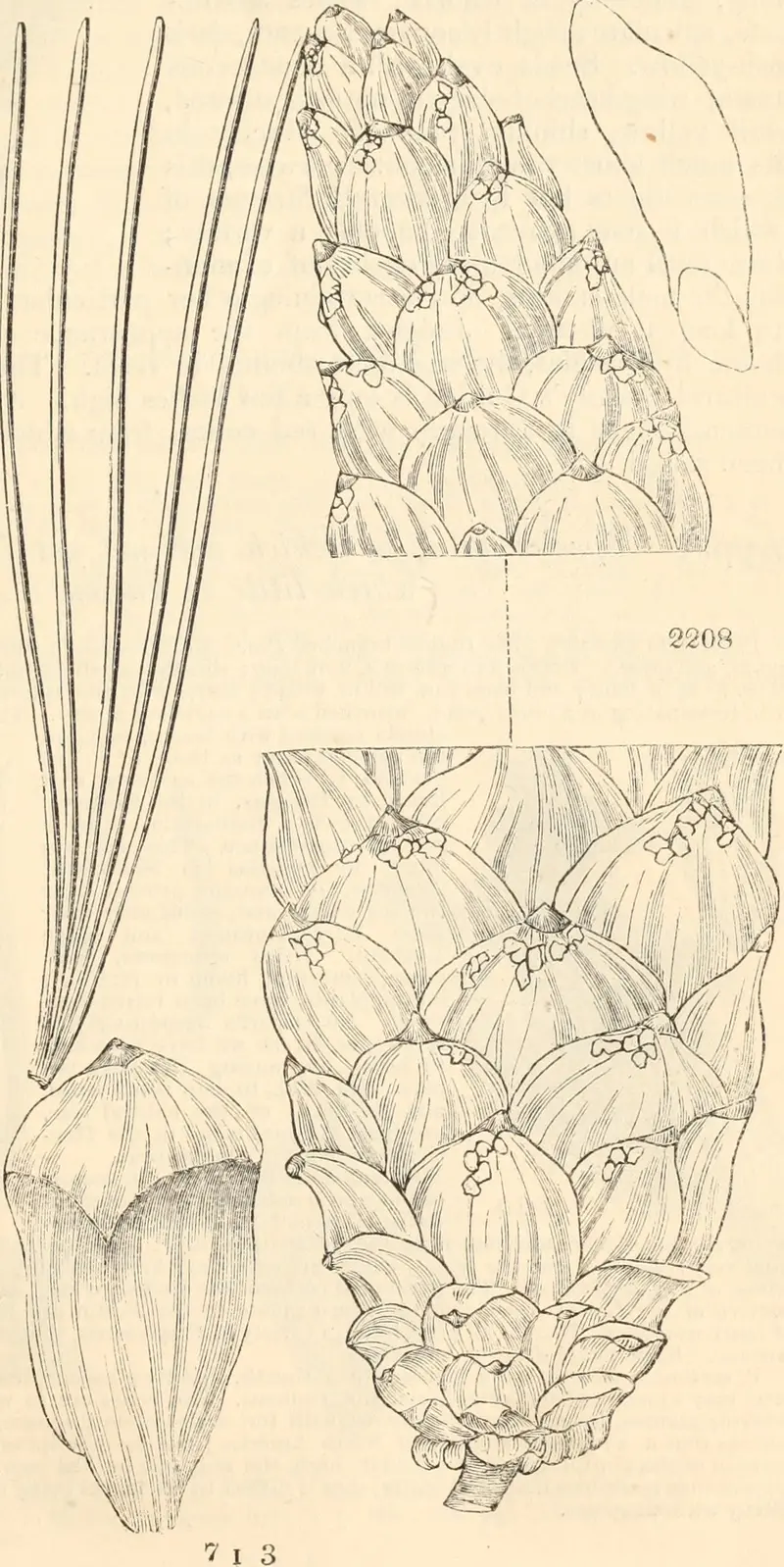
- Needles in bundles wrapped at the base by a sheath. Eastern white pine has five per bundle, and many other pines have two or three.
- Woody cones with thick scales.
- Bark often plated or deeply furrowed on older trees.
- Resin has a strong smell.
Check
Pull gently on a bundle, and look at its base. If every needle is separate and attached to the twig itself, you are looking at a spruce, fir or hemlock, not a pine.
Count first
- Five: eastern white pine (soft, blue-green), western white pine, whitebark pine, sugar pine.
- Three: loblolly pine, ponderosa pine, pitch pine.
- Two: red pine, Scots pine, lodgepole pine, jack pine, Austrian pine.
- One: single-leaf pinyon, which has a single stiff needle.
Six common pines
- Eastern white pine (Pinus strobus): five soft needles; long slender cones; the tallest tree in the north-east.
- Red pine (P. resinosa): two long needles that snap cleanly; reddish plates.
- Loblolly pine (P. taeda): three long needles; prickly cones; the main timber pine of the south-east.
- Ponderosa pine (P. ponderosa): long needles, mostly in threes; orange jigsaw-puzzle bark.
- Lodgepole pine (P. contorta): short twisted needles in pairs; cones that can stay closed for years.
- Scots pine (P. sylvestris): twisted blue-green pairs and orange upper bark; native to Britain and Europe.
Cones and seeds
Pine cones take two years to ripen. Some pines depend on fire to open their cones. The seeds of pinyon pines and whitebark pine are important food for birds and mammals.